



site search

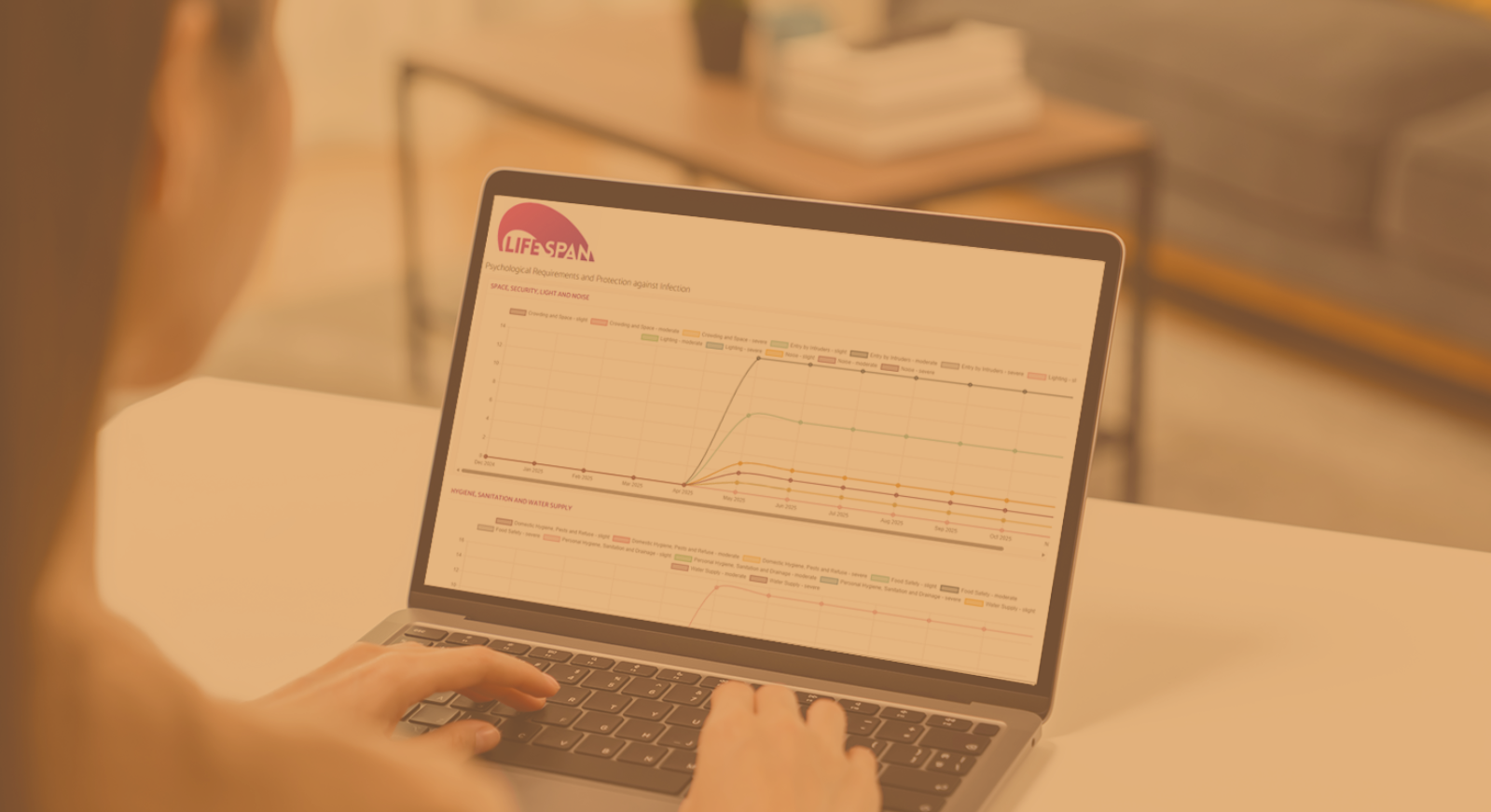
The Housing Health and Safety Rating System (HHSRS) is the statutory method used in England and Wales to assess housing conditions. Established under the Housing Act 2004, it provides a risk-based framework for identifying hazards in residential properties.

16th December 2025
Salma Crisp MRICS
Launching on Wednesday 17th December 2025, the new HHSRS Dashboard in Lifespan Housing provides a single, intuitive view of HHSRS data across your assets. With clear charts and category summaries, it offers instant insight into hazards, helping housing providers and inspectors monitor risk and prioritise action more effectively.
Supporting compliance through better insight
The Housing Health and Safety Rating System (HHSRS) remains a core statutory framework for assessing housing conditions across England and Wales. Designed to identify potential hazards within residential properties, HHSRS ensures homes meet essential standards of health, safety and wellbeing.

The dashboard is split into two core views:
1. Summary View: Immediate understanding of hazard distributions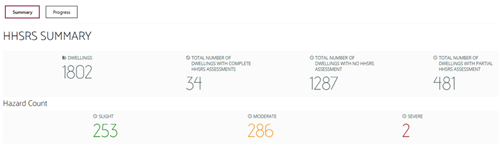
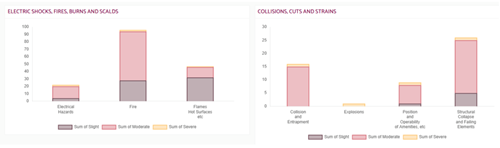
The Summary View condenses your full dataset into clear groupings, allowing you to identify concentrations of hazards across key HHSRS categories. This includes the following:
Physiological Requirements: Damp, mould, excess cold, excess heat, asbestos, radiation and other pollutants.
Psychological Requirements: Space, security, lighting and noise.
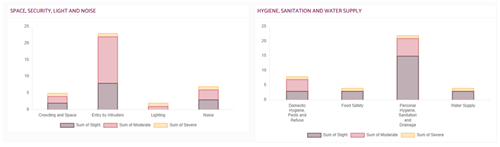
Protection Against Infection: Hygiene, sanitation, water supply and food safety.
Protection Against Accidents:
· Electric shocks, fires, burns and scalds
· Collisions, cuts and strains
· Falls (on level surfaces, steps, stairs, between levels)
This structured overview allows teams to quickly establish where the highest-risk issues sit and where targeted interventions may be required.
2. Progress View: Track improvements over time
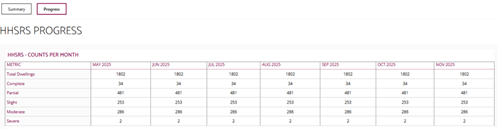
The Progress View focuses on trends, allowing organisations to see the impact of works, interventions or programmed maintenance. Users can monitor month-by-month movement across categories such as:
· Physiological Requirements
· Pollutants (non-microbial)
· Psychological Requirements and Protection Against Infection
· Hygiene, Sanitation and Water Supply
· Electric Shocks, Fires, Burns and Scalds
· Collisions, Cuts and Strains
· Protection Against Falls
This enables compliance teams to measure performance improvements, demonstrate progress against policy commitments and report outcomes to boards, regulators and residents.
If you have any further queries, please do not hesitate to contact the Lifespan Team via our helpdesk

Following the Department for Energy Security and Net Zero (DESNZ) officially announcing that their new RdSAP 10 methodology is set to roll out on the 15th of June, Property Tectonics are pleased to inform you that our software development team have been busy building our new RdSAP 10.2 interface. The new version is currently undergoing BRE approval.
As with all our software products, our inhouse developers are always working to ensure our software up to date and in line with regulation. Whilst not only working on the development for the RdSAP methodology, our fantastic team has also been building the latest versions of our new Lifespan Mobile App. We will provide further updates in due course
 view all